
Greece has long captivated travellers with its sun-drenched coastlines, ancient ruins and rugged mountain trails, yet beneath this idyllic surface lurks a handful of creatures that demand respect from hikers and beachgoers alike. From venomous vipers basking on sunlit rocks to stinging jellyfish drifting through the Aegean, understanding these animals is essential for anyone planning to explore Greece's wild spaces. This guide draws on the same spirit found in wildlife survival literature, including insights reminiscent of Sam Hume's work as a wildlife filmmaker, to help you navigate encounters safely whilst appreciating the rich natural heritage this country has to offer.
Key takeaways
- The nose-horned viper is Greece's most significant venomous snake, though it typically avoids humans unless threatened.
- Scorpions in Greece generally inhabit dry stone walls and rocky crevices, typically causing painful but rarely life-threatening stings.
- Swimmers should be cautious of jellyfish blooms and sea urchins, which can cause painful injuries if stepped on in rocky shallows.
- Hikers are advised to wear sturdy, closed-toe boots and long trousers to provide a physical barrier against snake bites and scorpion stings.
- Maintaining situational awareness and avoiding reaching into shaded, hidden crevices significantly reduces the risk of accidental encounters with dangerous wildlife.
- If a snake is encountered on a trail, the safest practice is to move away slowly rather than attempting to provoke or handle the animal.
- Carrying a basic first aid kit, staying hydrated, and making noise in dense vegetation are essential safety habits for exploring the Greek countryside.
Greece's Most Venomous and Dangerous Creatures: From Ancient Mythology to Modern Encounters
Greek mythology is filled with fearsome beasts, but the real animals inhabiting the countryside today are far less monstrous, though still worthy of caution. Wildlife safety in this part of the Mediterranean hinges on recognising which species pose genuine risks and adjusting behaviour accordingly, much as backpackers in North America must learn to identify rattlesnakes or navigate bear territory in Yellowstone National Park.
The mediterranean scorpion and viper: understanding greece's terrestrial threats
The nose-horned viper stands out as Greece's most medically significant snake, capable of delivering a painful and occasionally serious bite. Much like rattlesnakes in the United States, which bite between seven and eight thousand people annually with roughly five fatalities, Greek vipers generally prefer avoidance over confrontation. Scorpions, too, favour dry stone walls and rocky crevices, delivering a sting that causes discomfort rather than danger in most cases. Predator awareness becomes crucial here, as does snake safety practice: watch where you place your hands and feet, particularly when clambering over loose rocks or reaching into shaded crevices where these creatures like to shelter from the heat.
Jellyfish and Sea Urchins: Navigating the Aegean's Marine Hazards
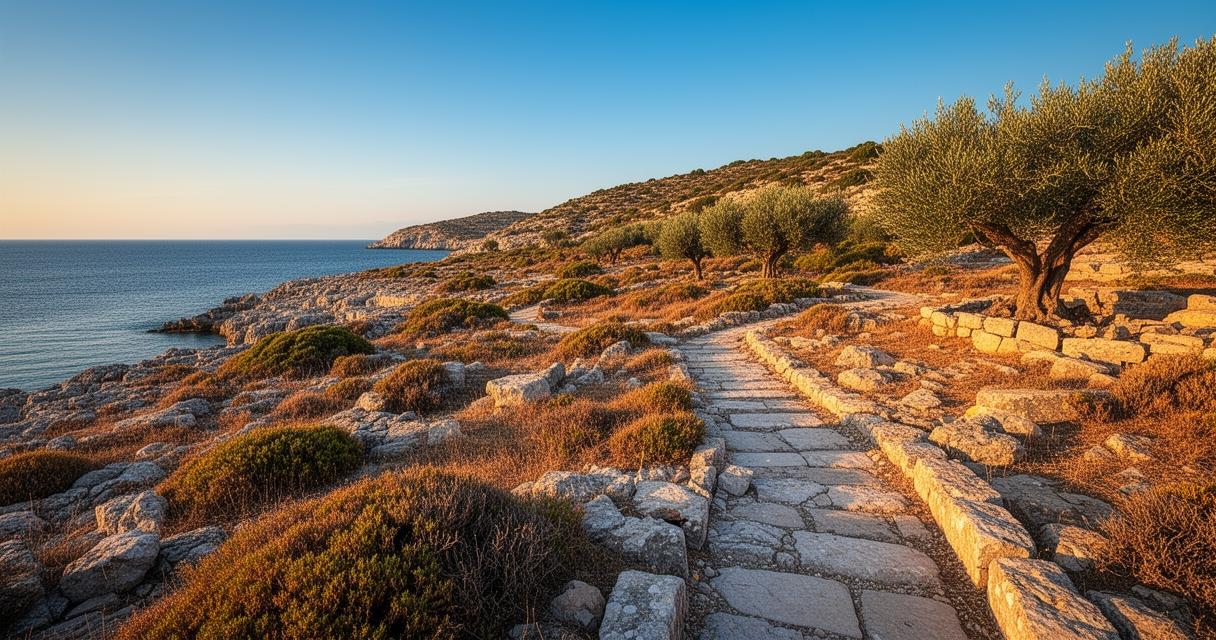
Swimmers exploring Greece's turquoise waters should remain alert to jellyfish, whose stings can range from mildly irritating to genuinely painful depending on the species encountered. Sea urchins present another marine hazard, their spines capable of embedding painfully in bare feet along rocky shorelines. Unlike orcas, which famously have no natural predators and roam the oceans unchallenged, these smaller Mediterranean creatures pose risks proportional to carelessness rather than aggression. Wearing appropriate footwear when wading through rocky shallows and heeding local warnings about jellyfish blooms will substantially reduce your chances of an unpleasant surprise.
Practical prevention strategies: protecting yourself whilst hiking greek terrain
Just as hikers in North America are advised to maintain distance from bison, cougars and alligators, visitors traversing Greek trails benefit enormously from preparation and situational awareness. Hiking safety in this context isn't about fear but about respecting the landscape's inhabitants and reducing unnecessary risk through sensible habits.
Proper Footwear and Clothing: Essential Kit for Wilderness Safety
Sturdy, closed-toe boots are non-negotiable when tackling Greece's stony paths and scrubland, offering protection against both venomous bites and simple twisted ankles. Long trousers tucked into socks reduce exposed skin, a simple yet effective barrier against scorpions and snakes alike. Packing a basic first aid kit, along with a GPS device for remote areas, mirrors the sensible outdoor safety equipment recommended for backpackers everywhere, whether they're navigating Florida's alligator-dense waterways or the limestone hills of the Peloponnese. Carrying water generously and avoiding overly ambitious routes in extreme heat further safeguards against the kind of fatigue that leads to careless missteps.
Recognising warning signs and habitats: where dangerous species dwell
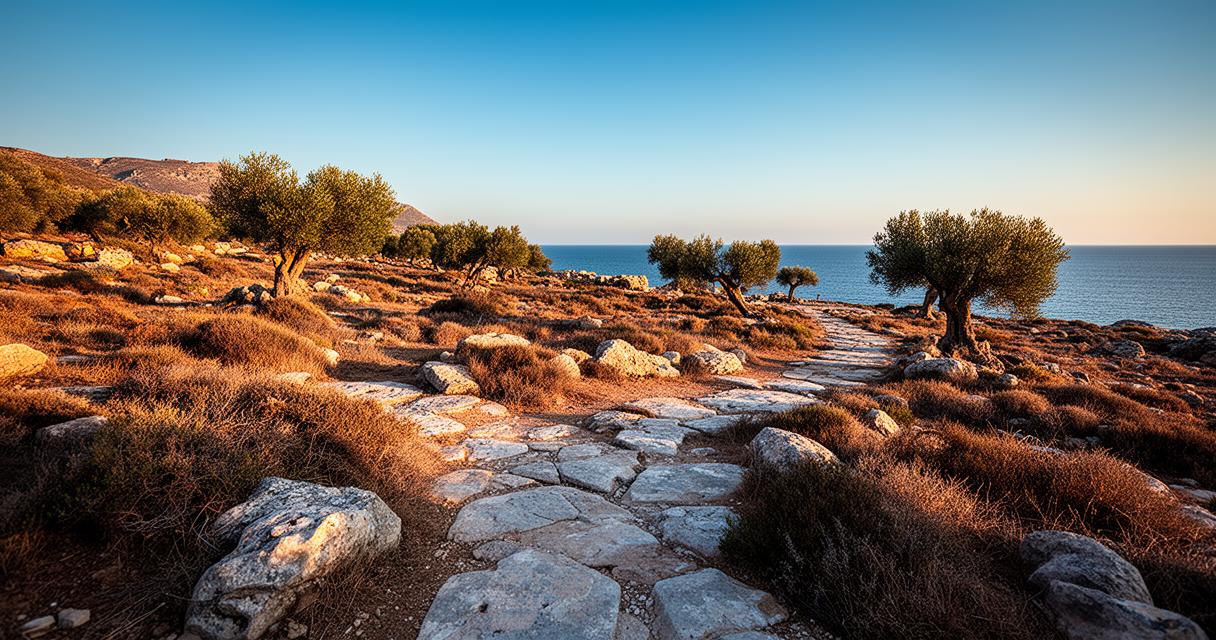
Vipers and scorpions favour warm, dry environments such as stone walls, olive groves and abandoned buildings, so exercising caution in these settings pays dividends. The same logic that governs safe distances from wildlife elsewhere, such as staying at least twenty-five yards from bison or giving moose fifty feet of space, applies conceptually here: give animals room, move slowly and avoid startling anything hidden in the undergrowth. If you do encounter a snake, the sensible response mirrors advice given for wilderness snake encounters worldwide, which is to move away slowly rather than attempting to handle or provoke the creature. Making noise whilst walking through dense vegetation can also alert animals to your presence, encouraging them to retreat before any direct contact occurs.
Cultural Context and Historical Significance: How Greeks Have Coexisted with Wildlife Through the Ages
Greece's relationship with its wildlife stretches back millennia, woven into folklore, medicine and daily rural life long before modern wildlife safety guidelines existed. This deep-rooted familiarity offers valuable lessons for contemporary visitors seeking to understand the landscape they're exploring.
From the Benaki Museum's Natural History Collections to Traditional Greek Remedies
Institutions such as the Benaki Museum in Athens preserve artefacts and documentation reflecting how ancient Greeks catalogued and responded to the natural world around them, including the creatures they considered hazardous. Traditional remedies for scorpion stings and snake bites, passed down through generations of shepherds and farmers, reveal a practical wisdom born from centuries of proximity to these animals. This historical perspective complements modern educational resources, including children's magazines and survival guides that teach younger audiences about animal encounters in an engaging, accessible manner, fostering respect rather than fear from an early age.
The Mediterranean Diet and Local Wisdom: Greek Approaches to Wildlife Awareness
Interestingly, the same culture renowned for its Mediterranean diet, rich in olive oil, fresh vegetables and seafood, has also cultivated practical knowledge about avoiding dangerous marine life whilst harvesting the sea's bounty. Local fishermen and villagers instinctively understand jellyfish seasons and sea urchin habitats, knowledge rarely written down but passed through observation and experience. This intuitive understanding of animal encounters reflects a broader philosophy: coexistence through awareness rather than eradication. For modern hikers and travellers, adopting this mindset, staying informed, watching the ground and water carefully, and respecting the habitats you pass through, offers the best defence against Greece's relatively modest roster of dangerous creatures, allowing you to enjoy this extraordinary country with confidence and care.