Tucked away in the northernmost reaches of France, the Nord-Pas-de-Calais coastline remains one of the country's most delightfully underrated corners. Whilst many holidaymakers rush past on their way to sunnier southern shores, those who pause here discover a region brimming with windswept beaches, storied fishing ports and a cultural richness that rivals anywhere else in France. This is a place where maritime tradition runs deep, where history from two world wars sits alongside medieval splendour, and where a plate of moules-frites tastes all the better after a bracing coastal walk.
In brief
- The Nord-Pas-de-Calais coastline is an underrated French region offering a unique mix of maritime heritage, windswept beaches, and historical landmarks.
- Major harbour towns like Calais and Boulogne-sur-Mer serve as key cultural gateways, with the latter hosting France's largest fishing port and the Nausicaä aquarium.
- Resort towns such as Le Touquet-Paris Plage and Wimereux combine Victorian elegance and seaside charm with modern amenities, making them ideal for restorative getaways.
- The Côte d'Opale features dramatic natural landscapes, including the expansive Bay of Authie and striking chalk cliffs that offer panoramic views of the English Channel.
- Inland cities like Lille and Roubaix have successfully repurposed their industrial history into vibrant hubs for contemporary culture, art, and tourism.
- The region honors its profound history through significant sites like the Vimy Ridge memorial and the architectural treasures of Arras.
- Affordable property prices in towns like Arras and St-Omer make the region an attractive prospect for those looking to invest in a home in Northern France.
Exploring the Enchanting Coastal Towns and Maritime Traditions
Calais and Boulogne: Gateway Harbours with Centuries of Seafaring History
Calais has long served as the gateway between Britain and continental Europe, and its position as a bustling weekend destination owes much to the ease of getting there. Whether you arrive via DFDS Ferries on the crossing from Dover to Calais, which takes a swift ninety minutes, or through the Eurotunnel from Kent, the town offers an immediate taste of French coastal life. Just along the shore lies Boulogne-sur-Mer, which proudly holds the title of France's largest fishing port. Wandering its harbourside, you can still watch trawlers unload their catch much as they have for generations, and the town's Nausicaä aquarium provides a fascinating window into the marine world that has shaped this community's fortunes for centuries. Boulogne-sur-Mer's old town, encircled by ancient ramparts, adds a layer of historical charm that pairs beautifully with its working harbour atmosphere.
Le touquet and seaside resorts: where victorian elegance meets modern leisure
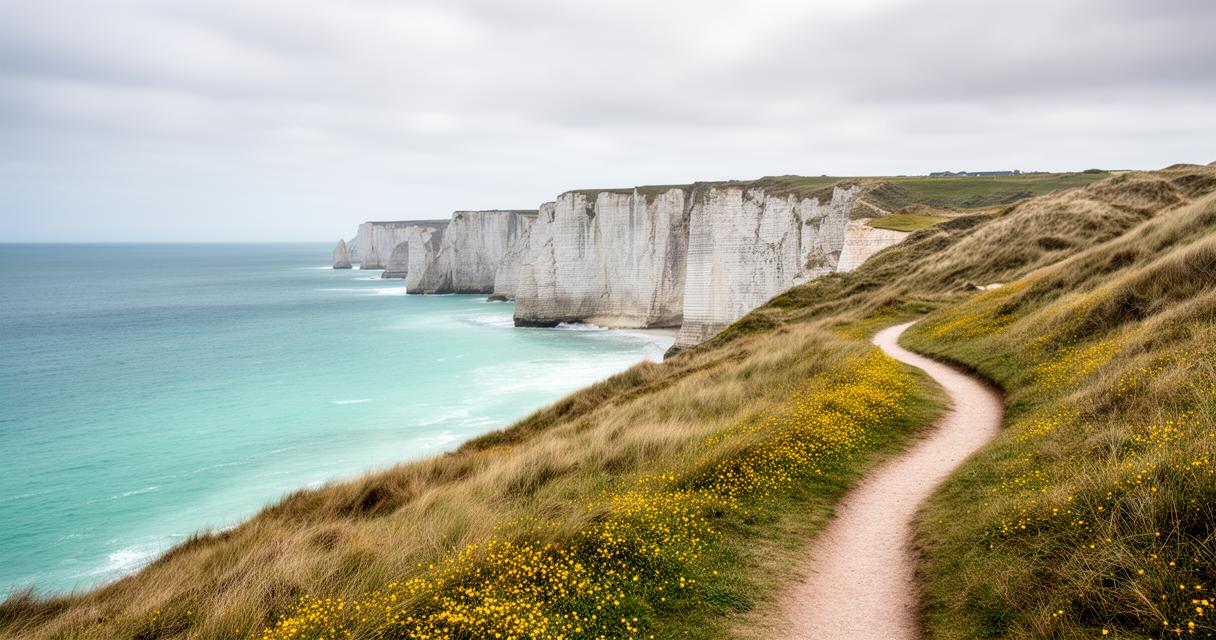
Further south along the coast, Le Touquet-Paris Plage epitomises a more refined seaside experience, its wide sandy beaches and elegant villas hinting at a heyday when British aristocrats flocked here for leisure and fresh sea air. Nearby Wimereux offers a similarly soft, golden shoreline, perfect for long walks or simply watching the tide roll in. These resort towns have retained a timeless charm whilst adapting to modern tastes, with excellent restaurants and boutique shops lining their promenades. It's easy to see why, in a post-COVID world, more travellers are rediscovering the appeal of destinations closer to home, and this stretch of the Côte d'Opale delivers exactly the kind of restorative getaway many are now seeking.
Natural Wonders and Scenic Splendour of the Opal Coast
The Bay of Authie: Discovering Tidal Landscapes and Coastal Wildlife
The Bay of Authie presents one of the region's most striking natural spectacles, its vast tidal flats transforming dramatically as the sea retreats and returns. At low tide, the exposed sands stretch for what seems like an eternity, creating a landscape that feels almost otherworldly. Birdwatchers and nature enthusiasts flock here to spot the wading birds and waterfowl that call this estuary home, whilst locals often gather shellfish along the shoreline when conditions allow. It's a gentle reminder that despite the region's modest eight per cent forest coverage, the diversity of its natural environments, from dune systems to marshland, offers plenty to explore beyond the beaches themselves.
Pristine Beaches and Cliffside Walks Along the Nord-Pas-De-Calais Shoreline
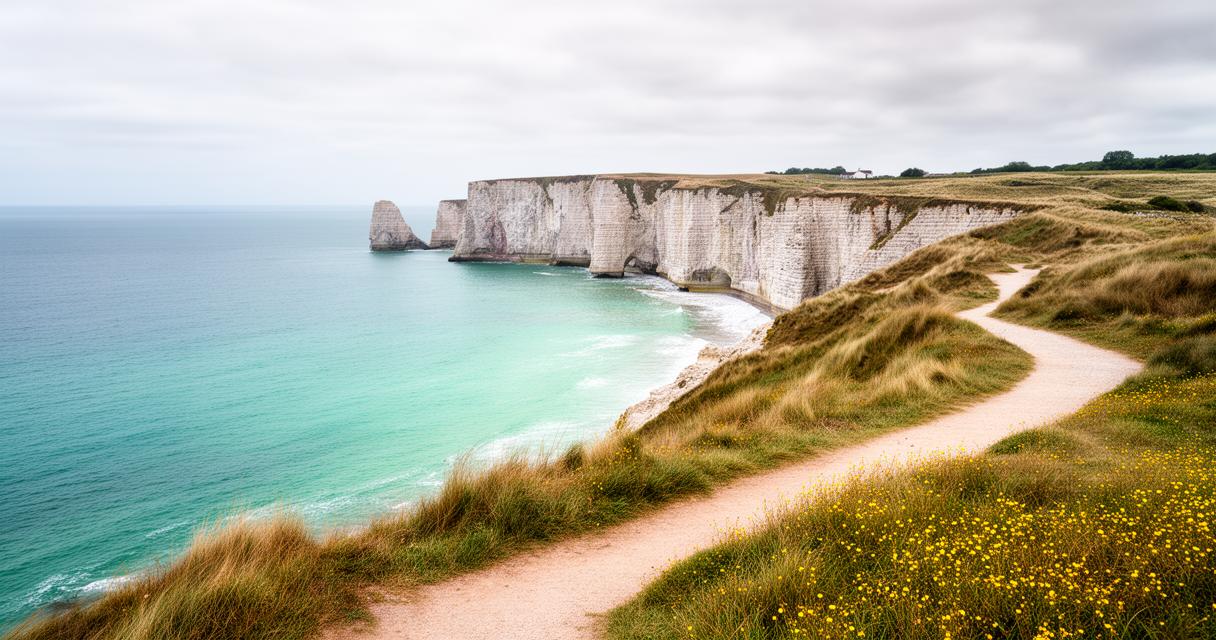
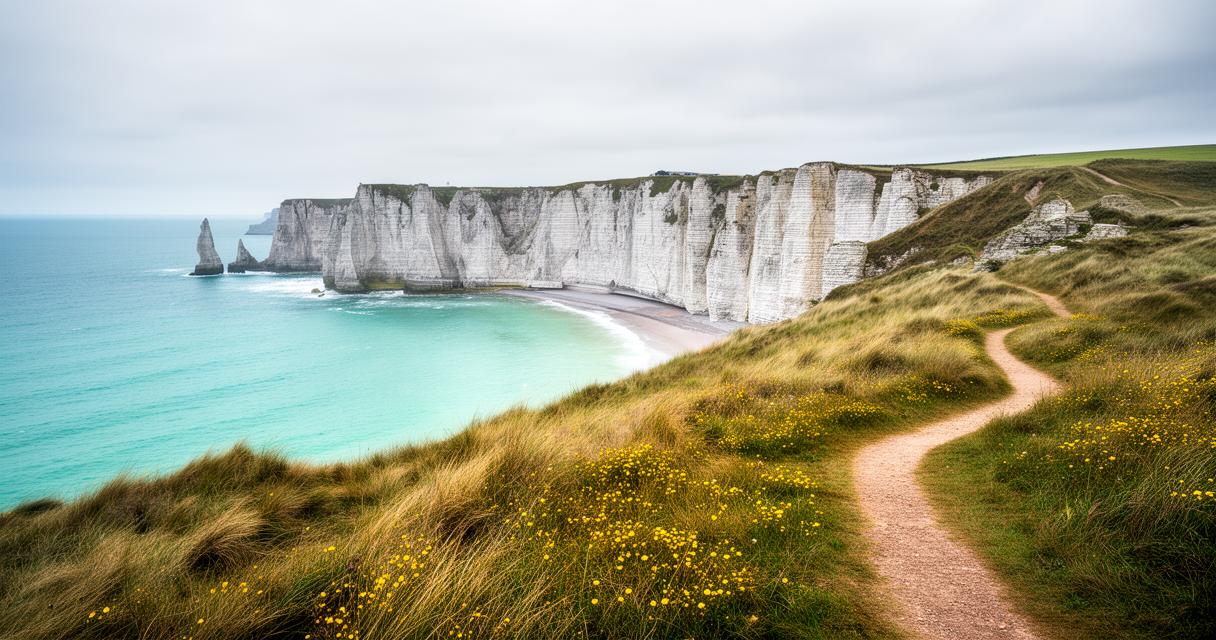
The broader Côte d'Opale takes its name from the distinctive, almost opalescent quality of the light that plays across its waters, and nowhere is this more evident than along the chalky cliffs that punctuate the coastline. Walking trails wind along these dramatic bluffs, offering panoramic views across the Channel towards England on a clear day. The combination of pristine beaches, rolling dunes and rugged cliff paths makes this coastline a walker's paradise, and the sense of space and tranquillity here stands in stark contrast to more crowded holiday destinations elsewhere in France.
Cultural Heritage and Historical Landmarks Beyond the Coast
Lille and Roubaix: From Industrial Heritage to Contemporary Cultural Hubs
Venture inland and you'll find Lille, a vibrant city that has skilfully transformed its industrial past into a thriving cultural present. Its historic centre, with cobbled streets and Flemish-influenced façades, buzzes with local markets selling fresh produce and regional specialities, whilst the surrounding area has seen a genuine revitalisation through art and culture since 2004. Nearby Roubaix carries its own fascinating story, its former textile mills now repurposed into galleries and museums, with pleasant parks offering a welcome respite for visitors keen to explore the town's monuments and industrial-era architecture at a leisurely pace.
Vimy Ridge and the Louvre-Lens Museum: Honouring the Past Whilst Celebrating Art
No visit to this region would be complete without acknowledging its profound historical significance. Vimy Ridge stands as a solemn memorial to the events of the First World War, its preserved trenches and towering monument offering a moving tribute to those who fought here. Meanwhile, Arras itself, with its UNESCO-listed Gothic town hall belfry and impressive Vauban citadel, showcases stunning Medieval Flemish architecture that has survived remarkably intact. The Basilique-Cathédrale Notre-Dame et Saint-Vaast adds further grandeur to the town's Art District. Not far away, Lens has reinvented itself through culture, its Louvre-Lens museum drawing visitors from across Europe, whilst football fans might recognise the nearby Stade Félix-Bollaert. For those tempted to put down roots, property prices in Pas-de-Calais remain notably affordable, averaging around one hundred and thirty-five thousand euros, considerably less than the national average, with towns like Arras and St-Omer offering particularly attractive options for prospective buyers browsing sites such as France Property Shop.